
The Experience
We started out by bringing to market a wide spectrum consortia of beneficial bacteria and fungi for farming, particularly rice. The idea was simple: show farmers the benefit, help them make more and better quality rice and the rest would take care of itself.
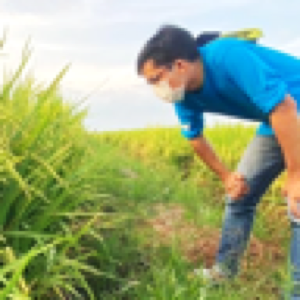
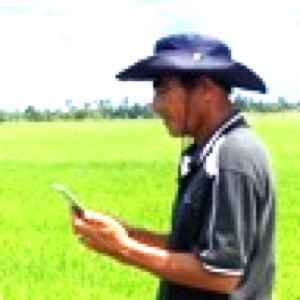
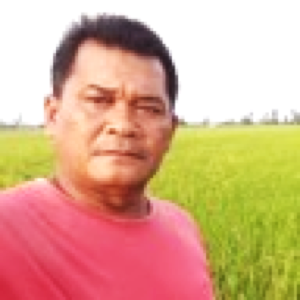
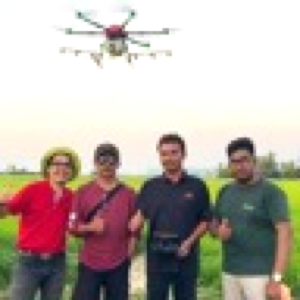
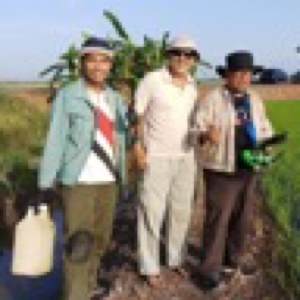
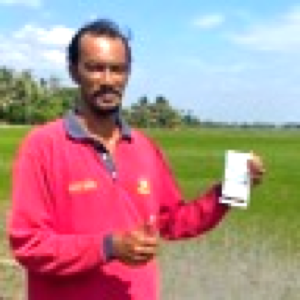
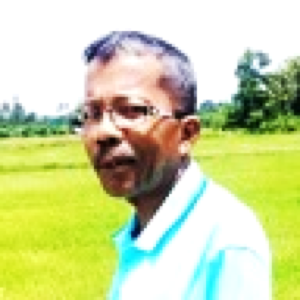
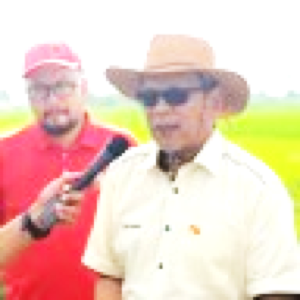
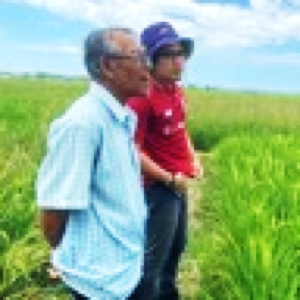
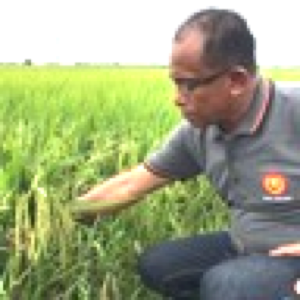
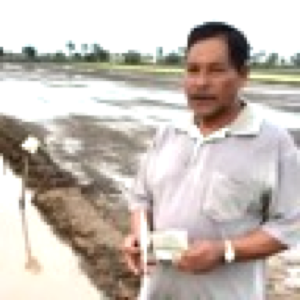
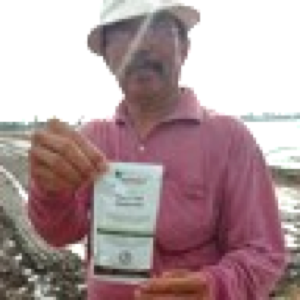
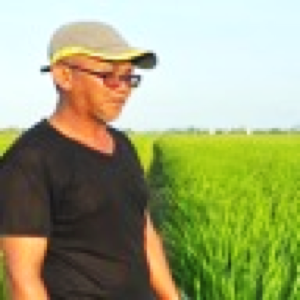
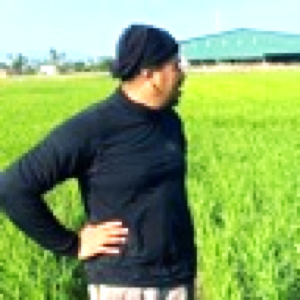
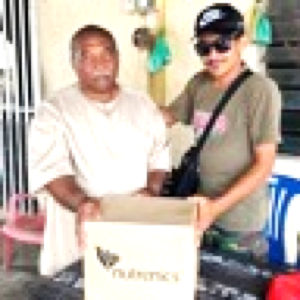
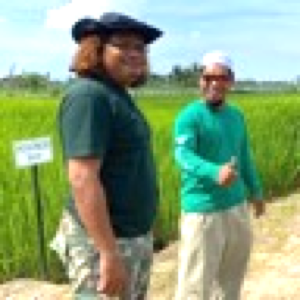
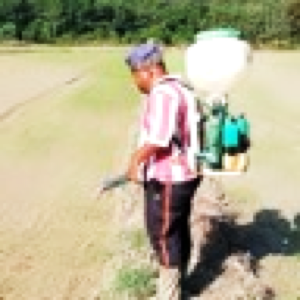
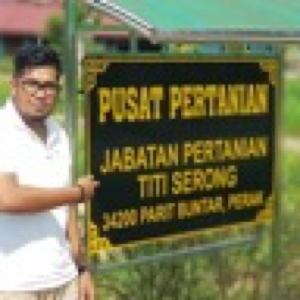
To get farmers to consider the benefits of a more biological approach, we had to start from the ground up, especially since the idea of microbes was completely new. The more we looked, the more we had to do, especially tests and trials to validate our claims.
We took part in all aspects of rice farming
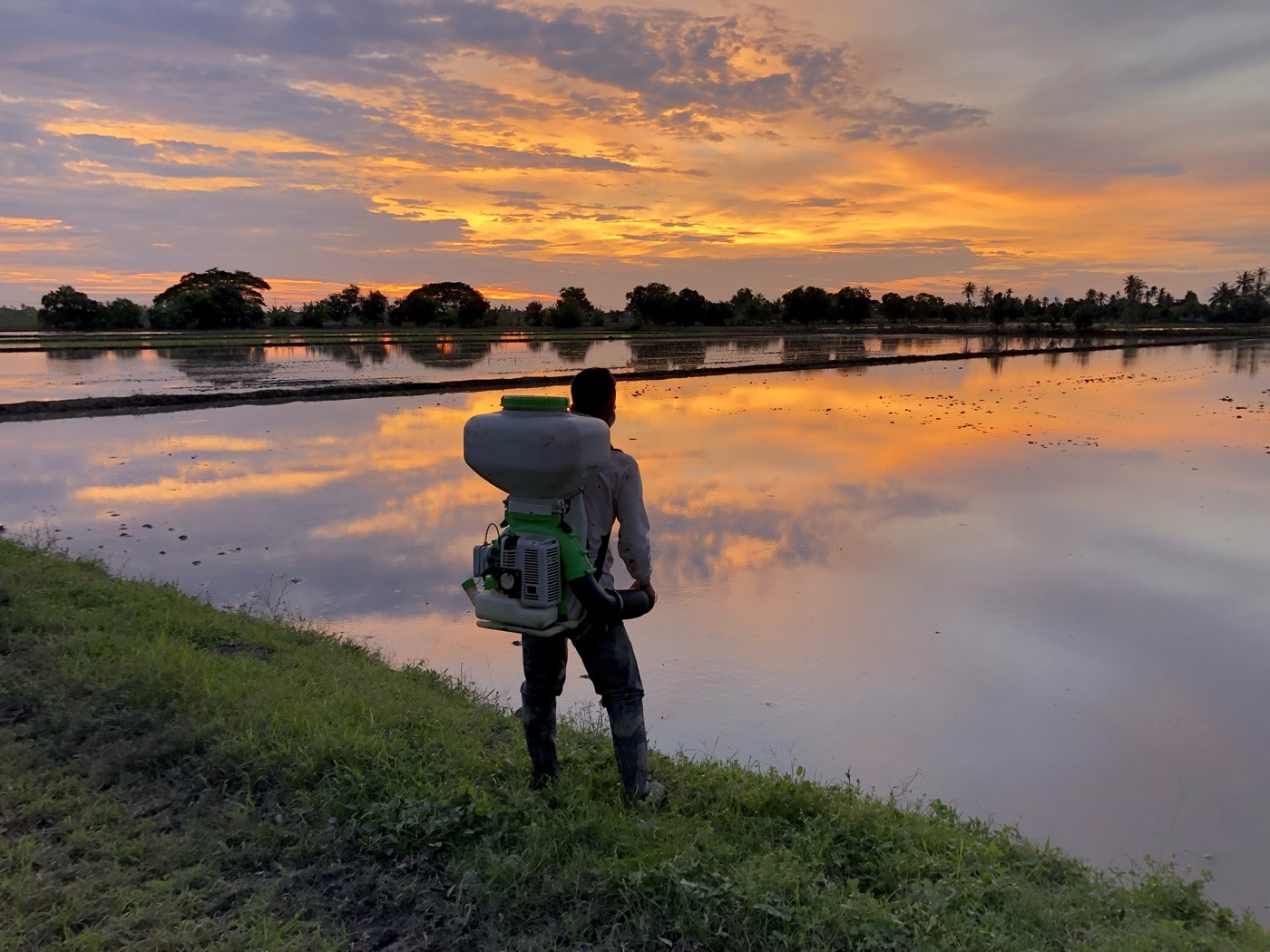
We worked with farmers, authorities, suppliers, contractors and each time we learned something new. We did seminars, trials, tests, trainings all across the country. The more we did, the more we learned and kept in our store of knowledge for future use.
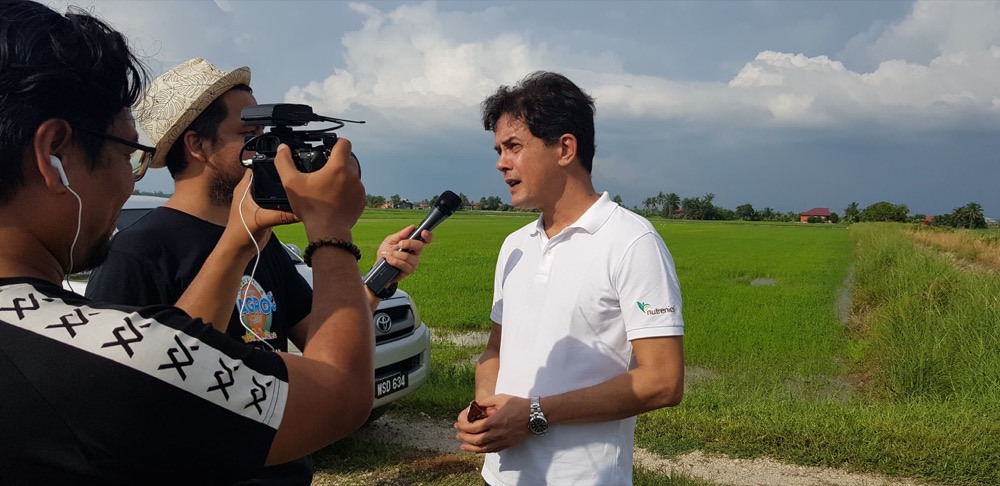
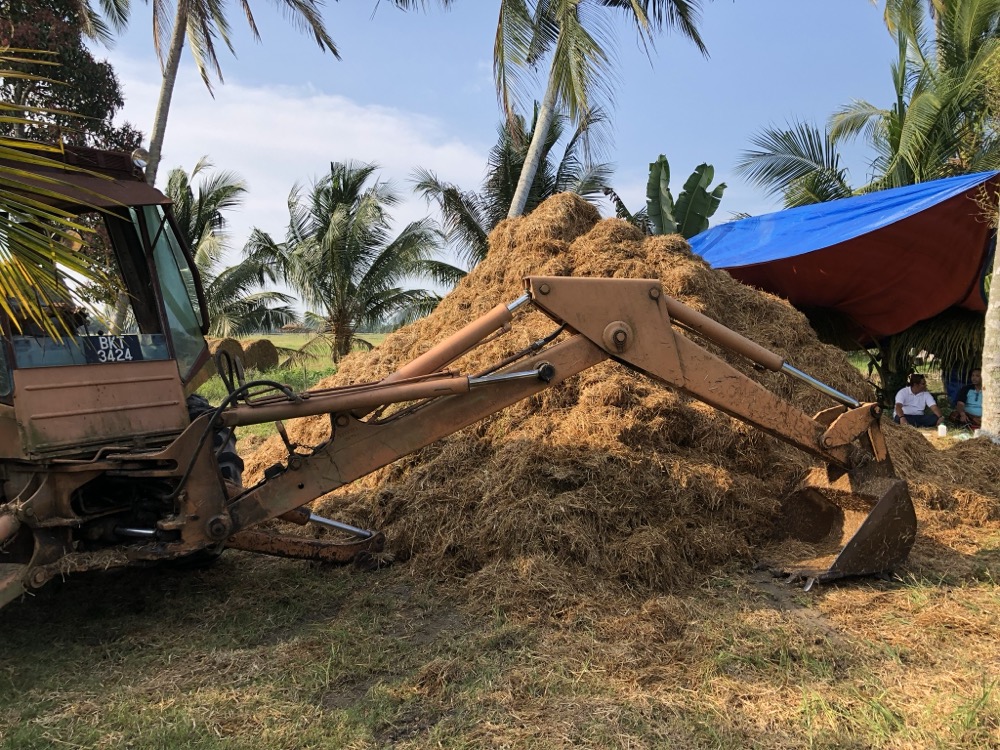
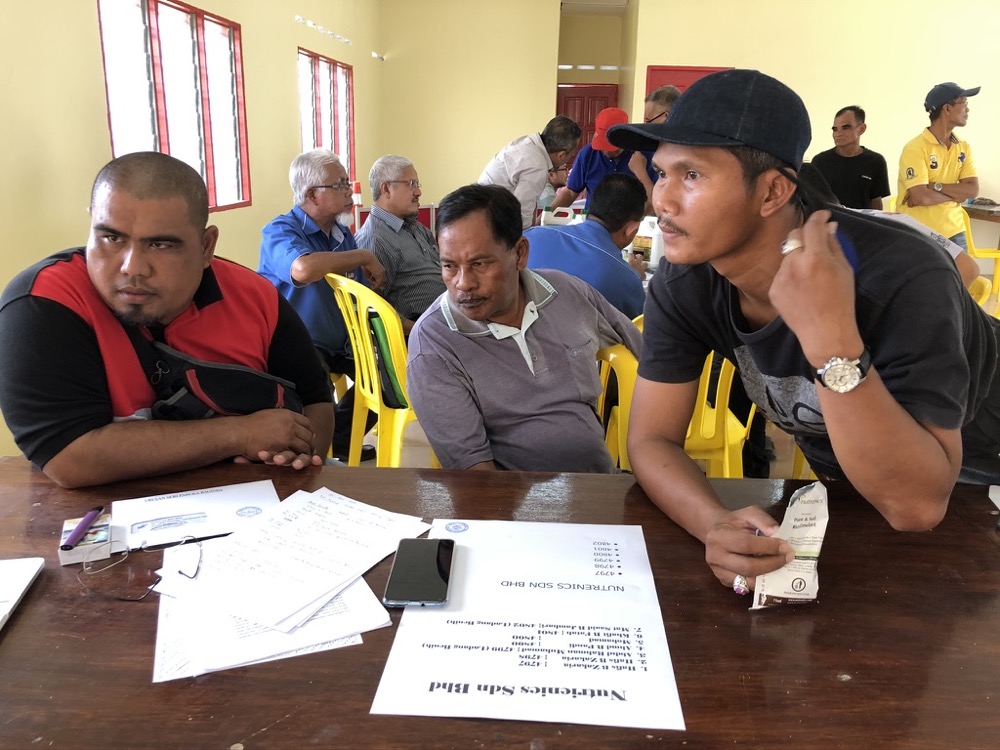
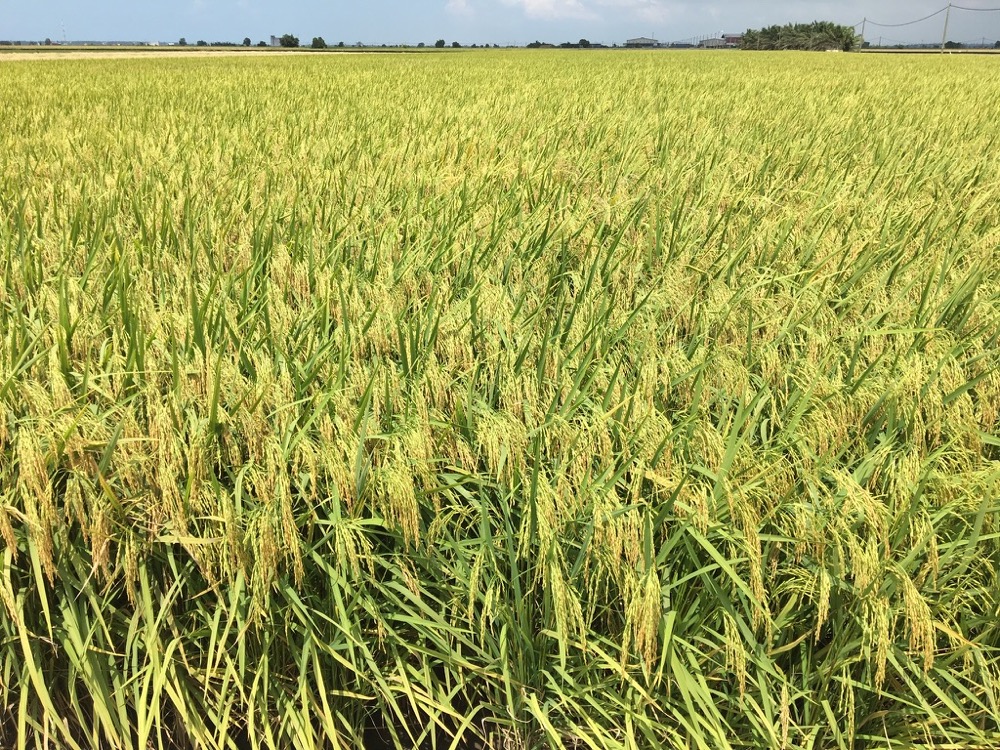
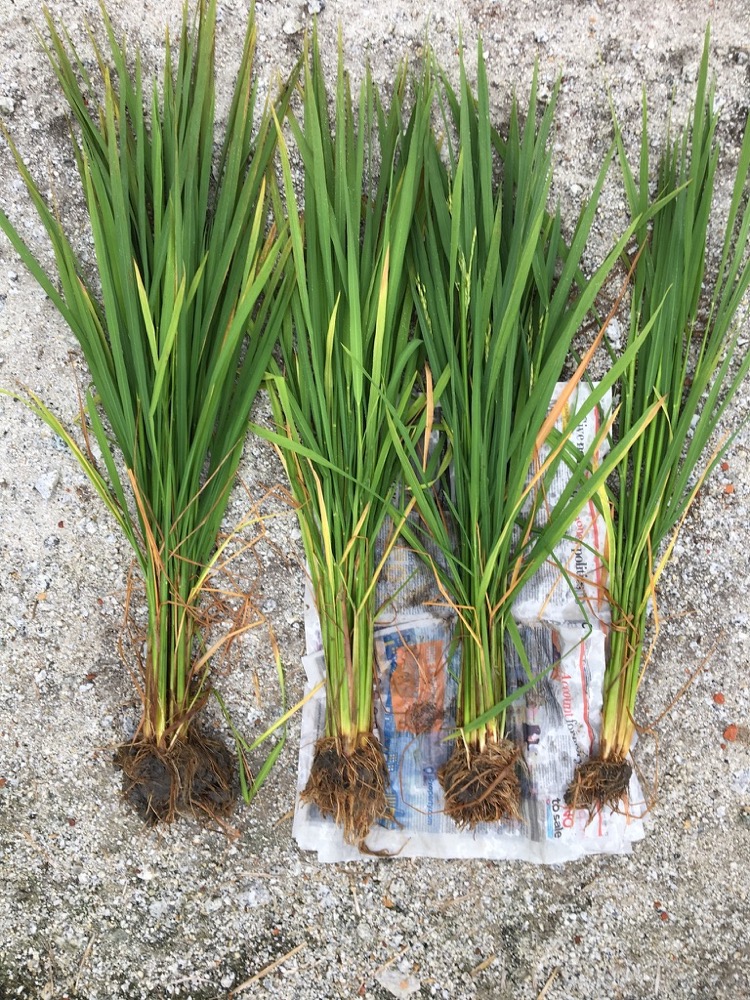
We built our own test farm
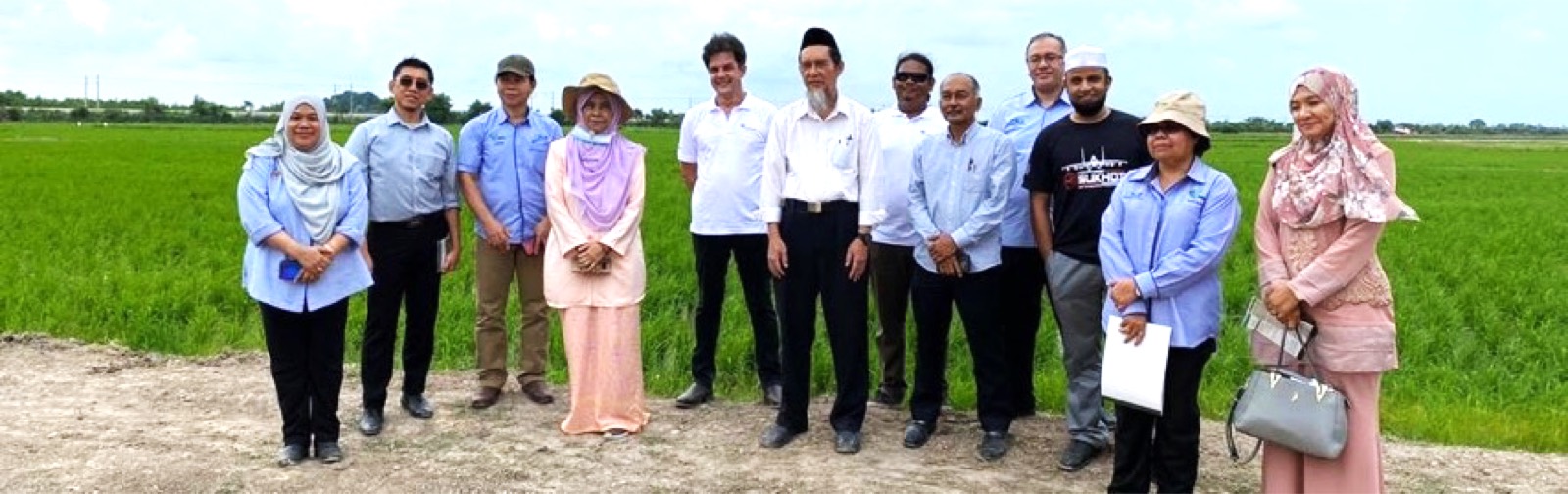
Ultimately, we realised that we needed to demonstrate much of what we advocated and so in 2020, right before the pandemic, we built our own farm. We designed it to be easy to operate, eliminate the use of agro-poisons and to develop new methods suitable for smallholder farming but also scalable and financially viable.
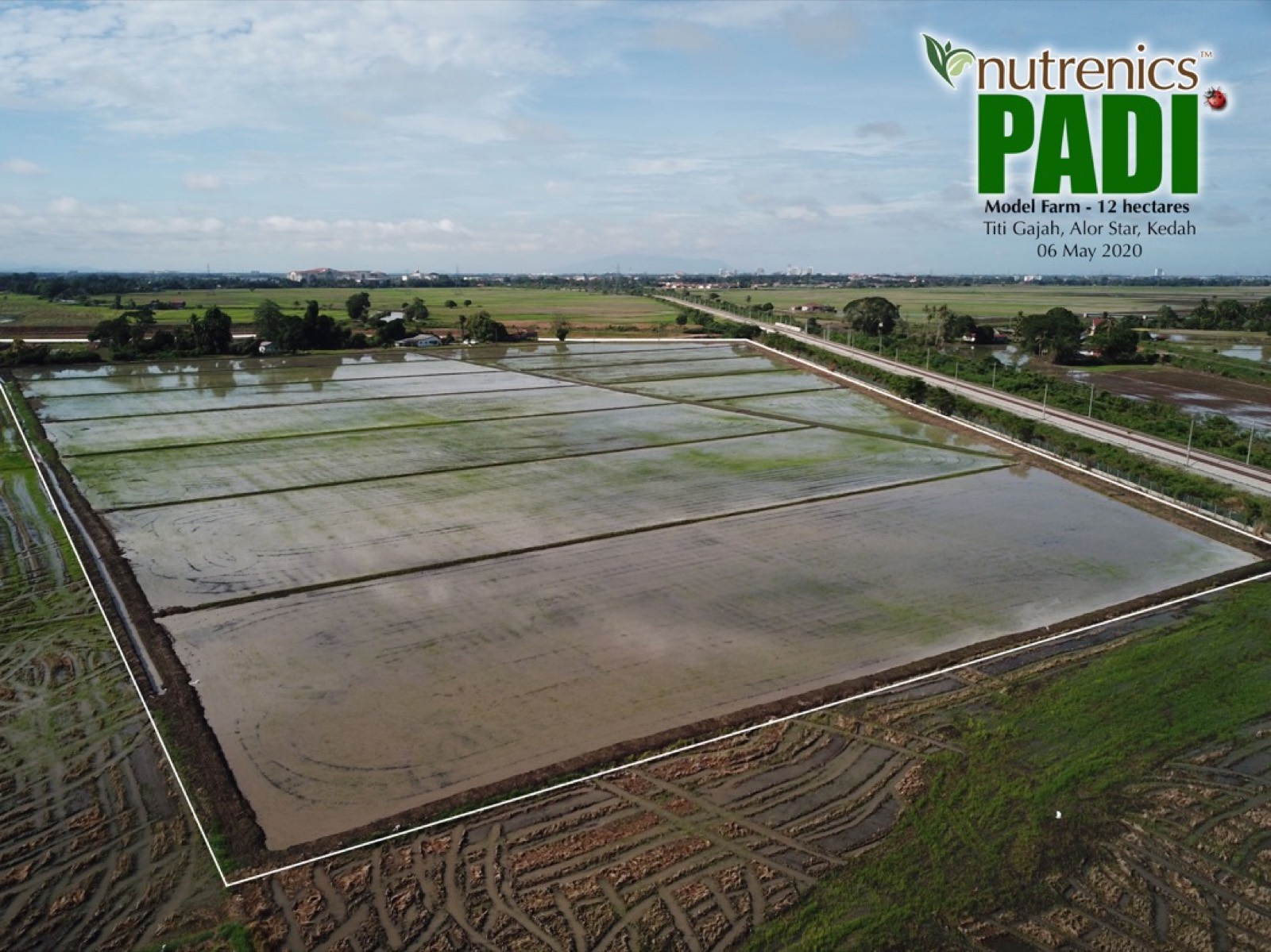
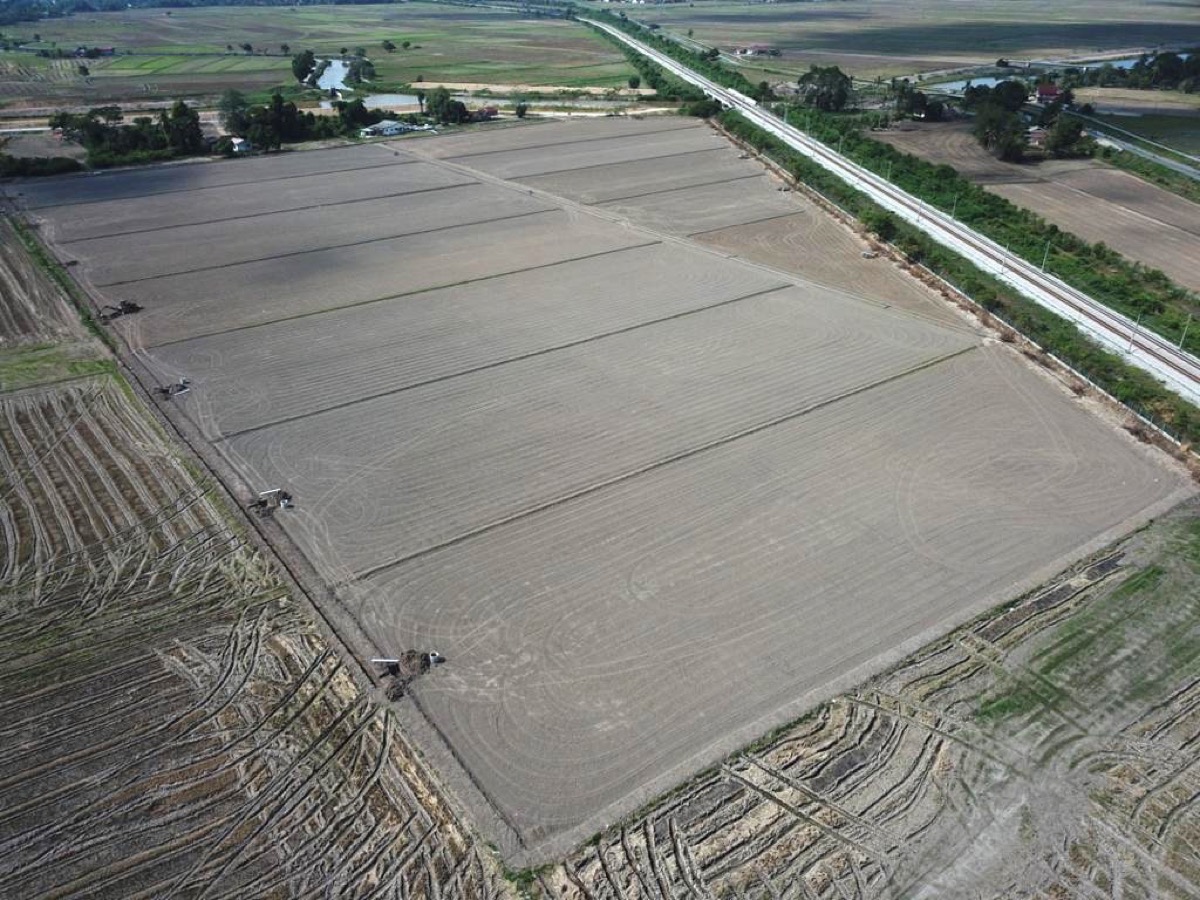
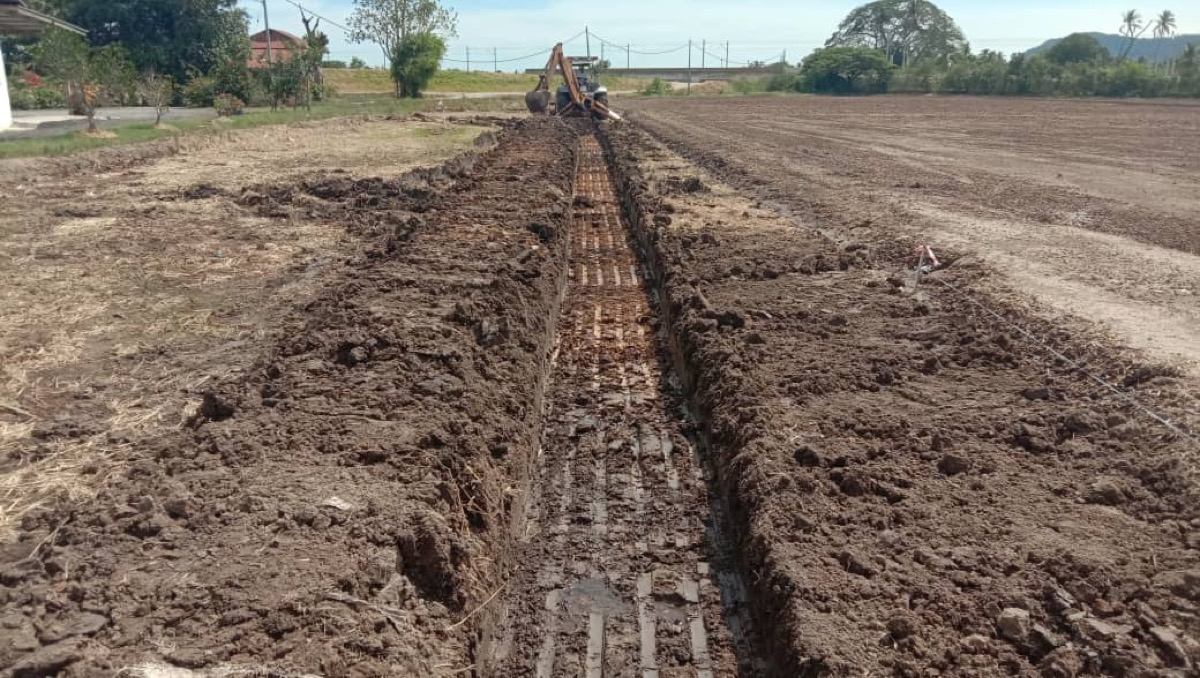
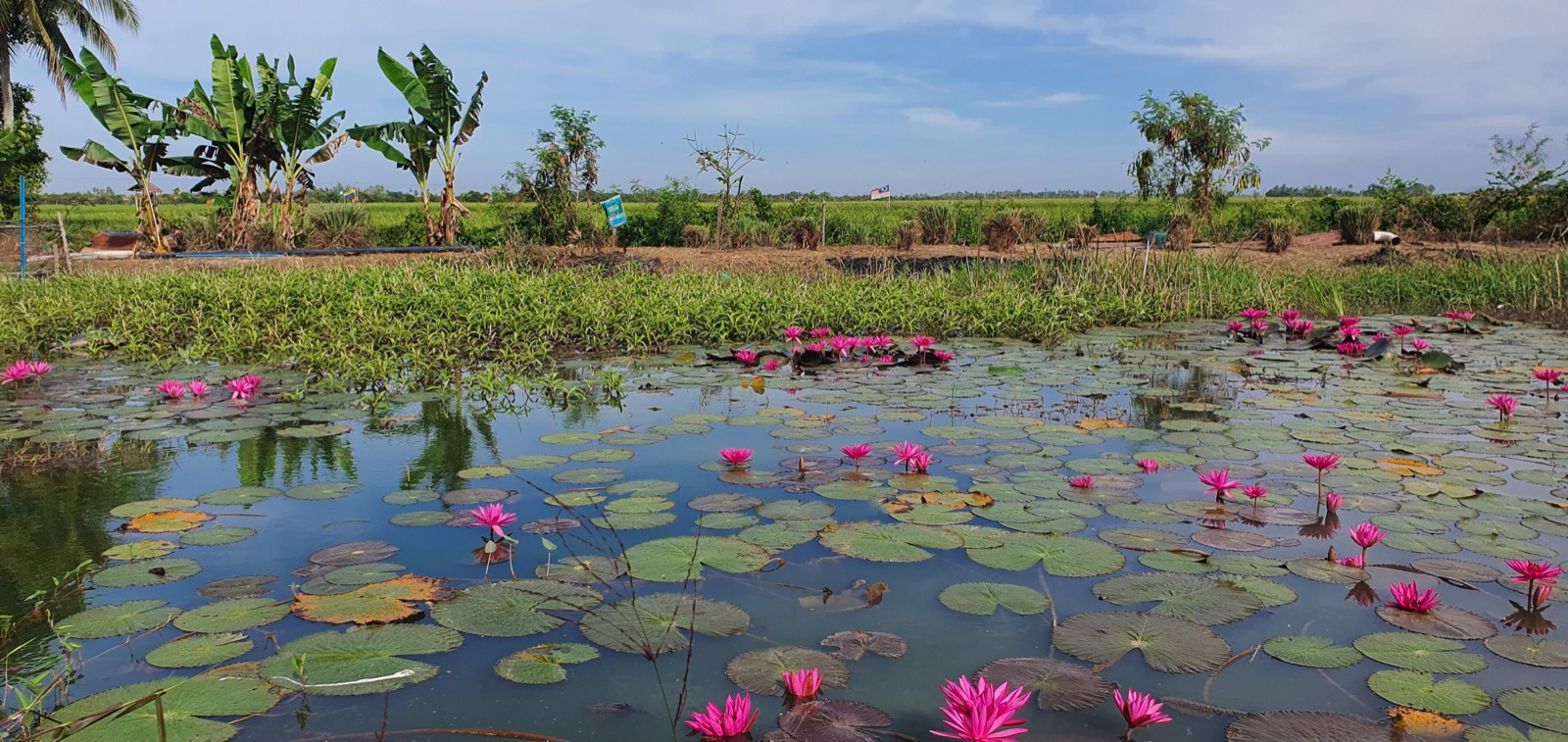
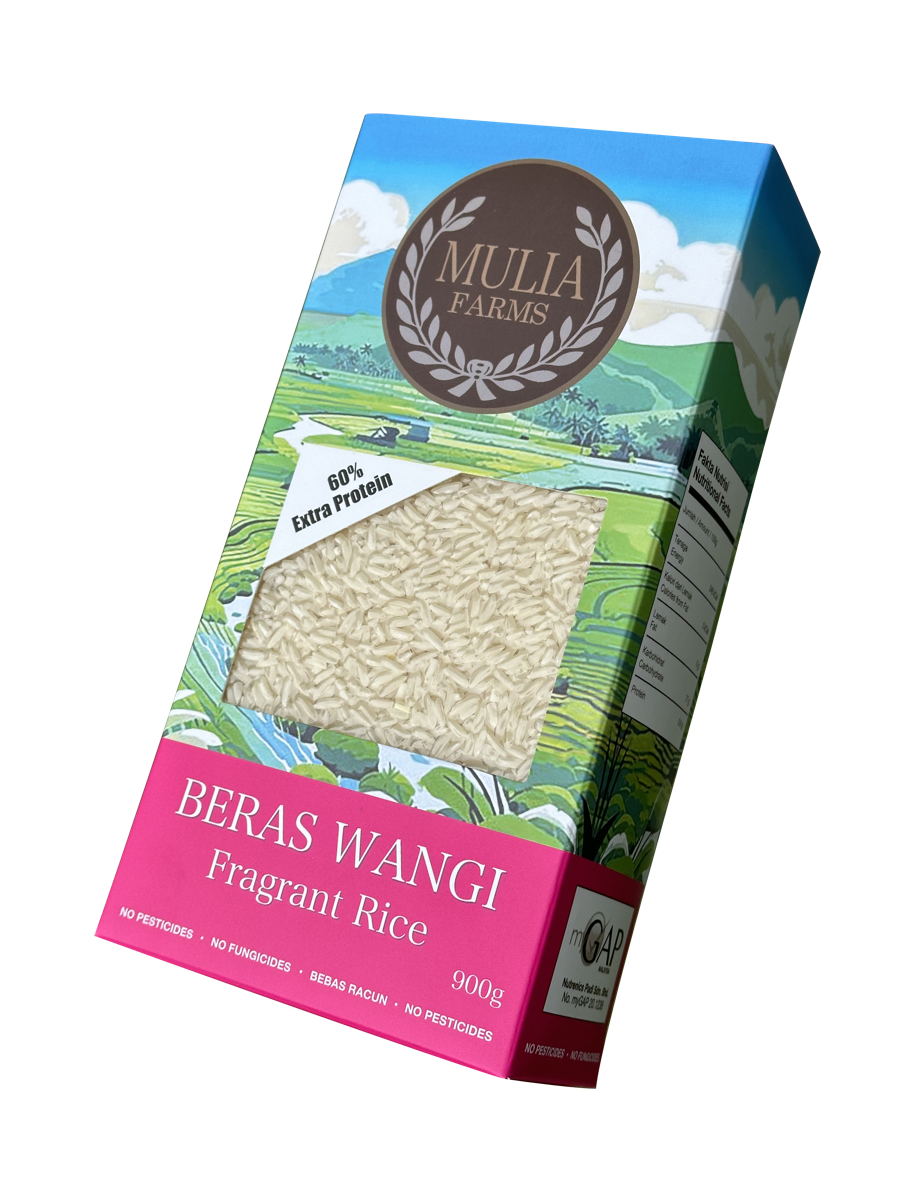
We grew our own rice with 60% more protein
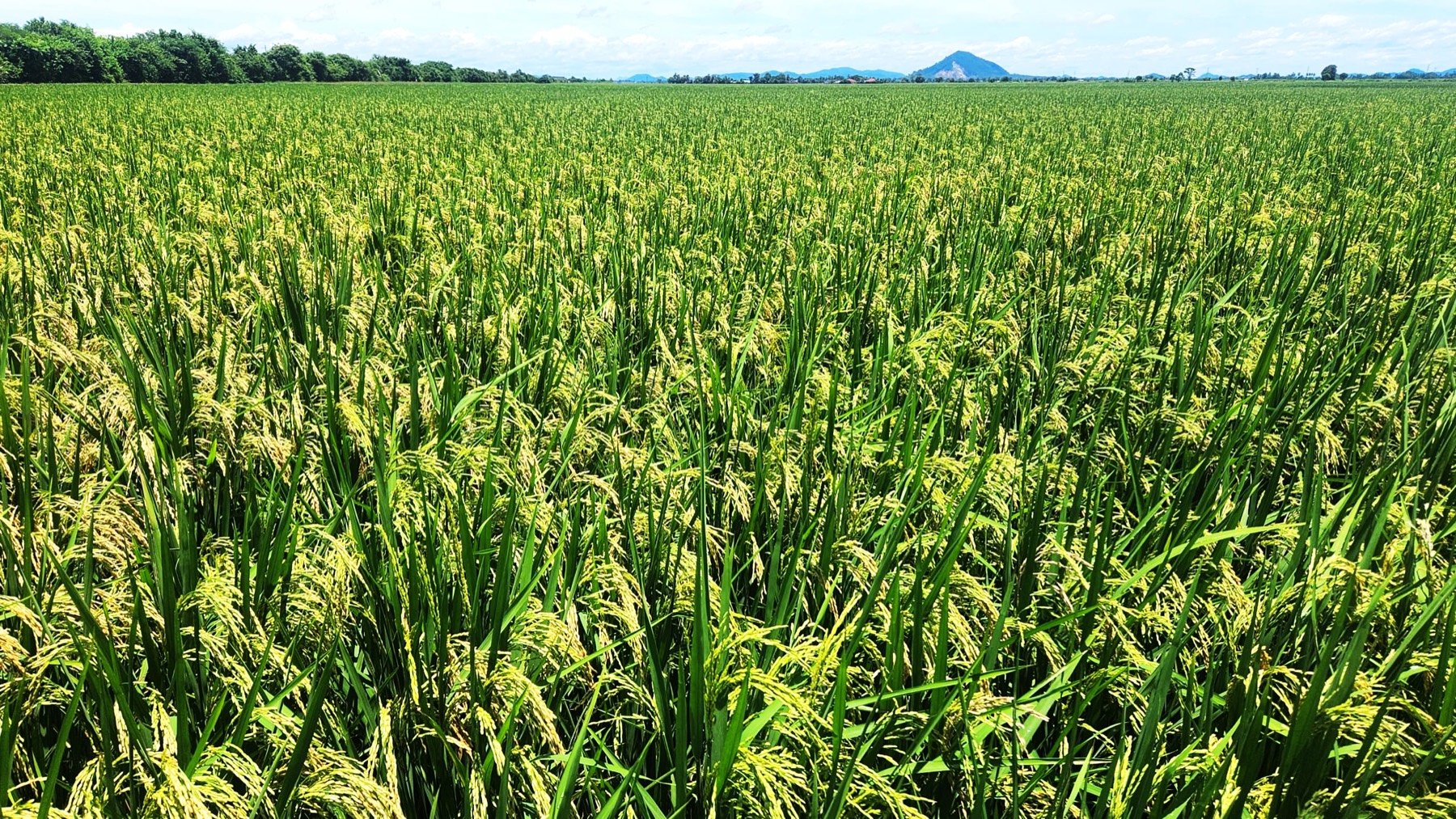
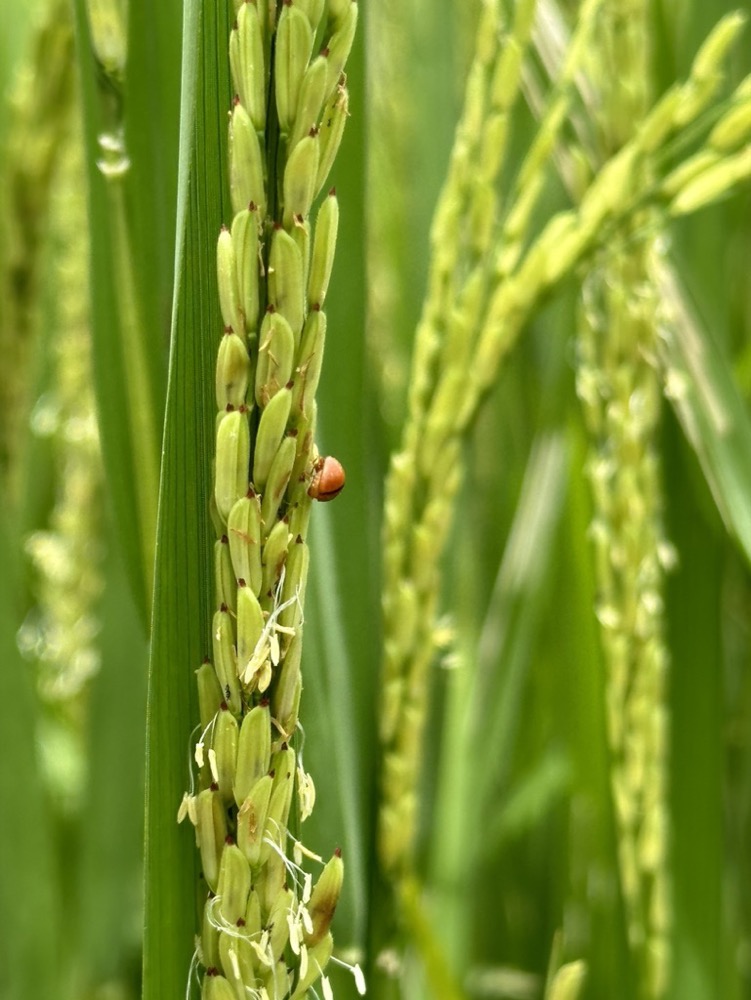
This pesticide and fungicide-free fragrant rice was grown in our farm in Bohor, Kedah, in an ongoing effort to demonstrate the benefits of using nature’s micro-organisms as a foundation to regenerative farming.
This approach continuously improves the water and soil quality whilst providing higher nutritional content, aroma and texture of the rice.
The Missing Piece

‘Buku Tiga Lima’. Before the days of computers, phones and credit cards, many Malayans used these pocket-sized pastel-coloured notebooks to record transactions, financial information, appointments, phone numbers, birthdays, and other essential reminders.
In doing all the above, it became very apparent that whilst a biological approach had huge benefits, it was very difficult to measure, record and demonstrate this using existing methods. Data such as times, dates, locations, parameters, photographs and charts were scattered in places like the Buku 555 (if recorded at all) and these were easily damaged and non-replaceable. We needed a tool…
We needed a tool to keep track of all of this, easily, at source — and such a tool would ideally be software-based.
So we looked. And looked. And what we found were solutions obviously not designed by people with any experience in farming. They were tools looking for a purpose, not designed to fill a need.
We decided to design our own solution, which not only kept track of the data, but also took into account all the pain points faced by the smallholders — and the idea for Buku Padi was born.
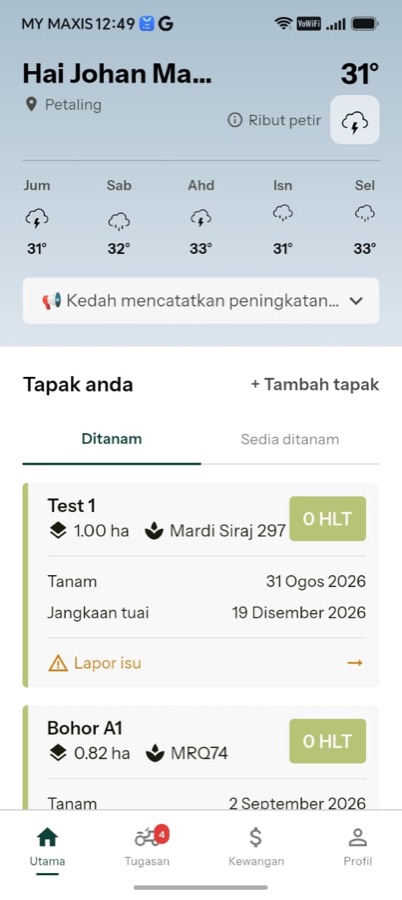
From the Buku 555 to Buku Padi.
Values
Our stand: Abundance & Bounty, Integrity. Buku Padi grew out of the way we believe farming should be approached.
Integrity
Being honest about what works, what doesn’t, and putting the interests of all stakeholders at the centre of decisions.
A win-win mindset
Good solutions should work for everyone involved — farmers, partners, organisations and the wider paddy industry and consumers.
Respect for the environment
We believe in reducing unnecessary dependence on pesticides and chemical inputs, and in using biological approaches wherever they offer a better, more sustainable way forward.
Grounded in the field
Not every solution that looks good on paper works in practice. Buku Padi was created around the realities farmers face — the decisions they make, the information they need and the challenges of consistently following good farming practices.
The result is a practical tool that helps farmers organise each planting cycle, follow proven practices, keep better records and make more informed decisions.
At the same time, the data they build creates a clearer picture of what is happening on the ground — information that can support research, planning and better decisions across the paddy industry.
Buku Padi is ultimately about making good farming easier to practise, measure and improve.
The People
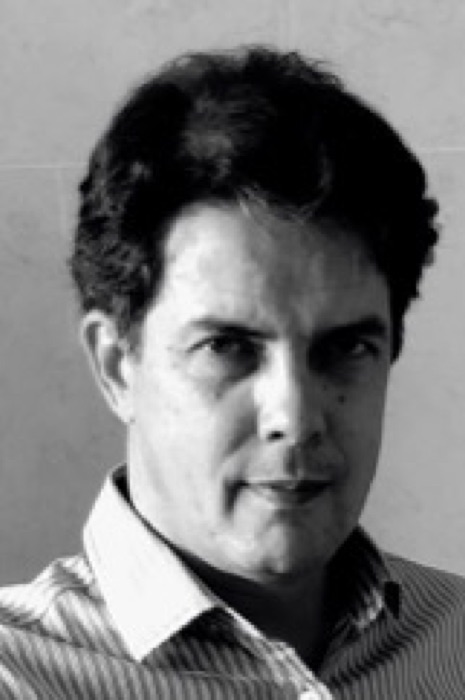

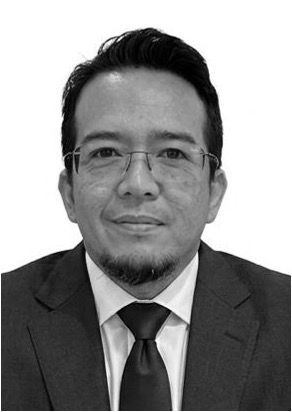
Tunku Johan Mansur
CEOJohan’s journey into agriculture required moving beyond his engineering, management and commercial work experience to develop a systemic understanding of plants, soil biology, microorganisms, water and nutrients. This has led to a conviction that a strongly biological approach to agriculture is foundational for true regenerative practices and productivity.
Johan’s strength as the driving force behind Buku Padi lies in his multidisciplinary approach — leveraging a Cambridge University engineering degree with a structured and systems-oriented way of solving problems. Combining farming, technology and business perspectives, he integrates these fields together, viewing agriculture as an interconnected system.
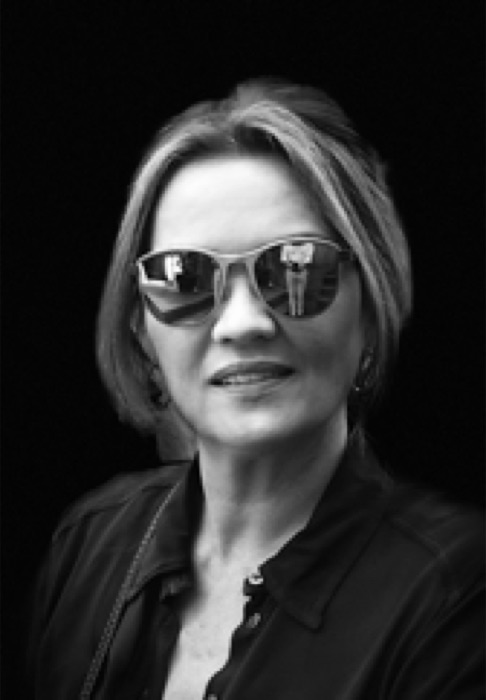
Lorna Elizabeth Dodd Abdullah
DirectorCo-founder of Nutrenics, Lorna’s deep connection with nature and living systems inspired her to do something to help our land and water systems. Her intuitive connection with plants, animals and living ecosystems gives deep insights on truths that scientific data simply cannot capture. She brings clarity to our mission and reminds us of our higher purpose, whilst taking care of daily imperatives the boffins are likely to overlook. A sharp sense of humour and a selfless sense of duty ensures everyone stays on point whilst keeping everyone together.
Tunku Nina Mansur
DirectorWith a degree in International Relations & Development Studies, Nina has spent over 20 years on human development through experiential training and coaching. She has helped thousands of people develop themselves further and coaches top executives in large multinational companies to broaden their performance through better life balances. Her unassuming demeanour masks a didactic memory and hard, human-centric questions which crystallise ideas into practical, actionable outcomes, whilst a generosity of spirit brings out the best in people — invaluable in staying connected to people.
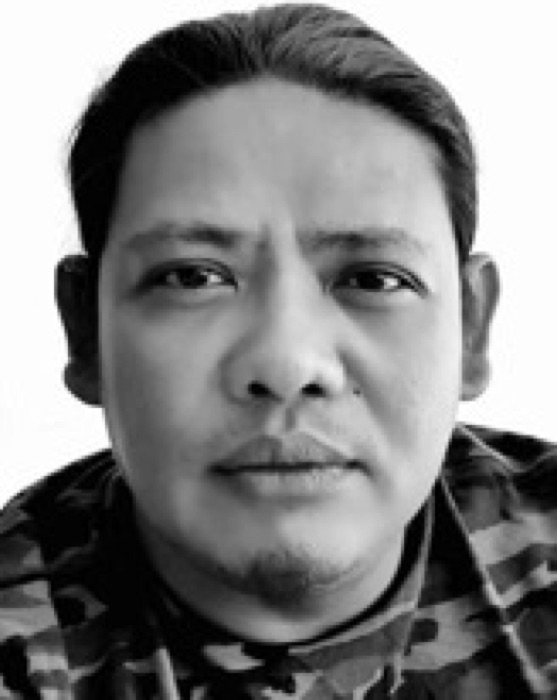
Mohd. Nizam Nageeb
ManagerNizam’s broad experience in managing projects and people from marine environments to waste management, and his unique innovative perspectives on systems, make him invaluable in executing projects and managing resources. His love of people and humour break down boundaries and traditional norms, providing great feedback on what the real world requirements are. His ability to engage farmers and their points of view have been particularly valuable in truly understanding how our work would be received and used.
Dr. Mohamed Marzhar Anuar
CTOAs our latest member of the team, Marzhar’s innate curiosity and love of academic study is exemplified through his degree in Biology, Masters in Computer Science and PhD in Quantum Physics (Universiti Malaya) — an extremely unusual combination. His work background in agriculture and experience as Assistant Director in the Ministry of Agriculture is extremely valuable in understanding how authorities function.
More recent work experience, centred on software development for remote sensing and AI, showcases his true capabilities, whilst his work capacity, dependability, flexibility and humour make him an invaluable anchor to the team and a natural CTO.
Want to work with us, or find out more about Buku Padi?
research@nutrenics.com